Archive for May, 2025
 Author:
  May 18th, 2025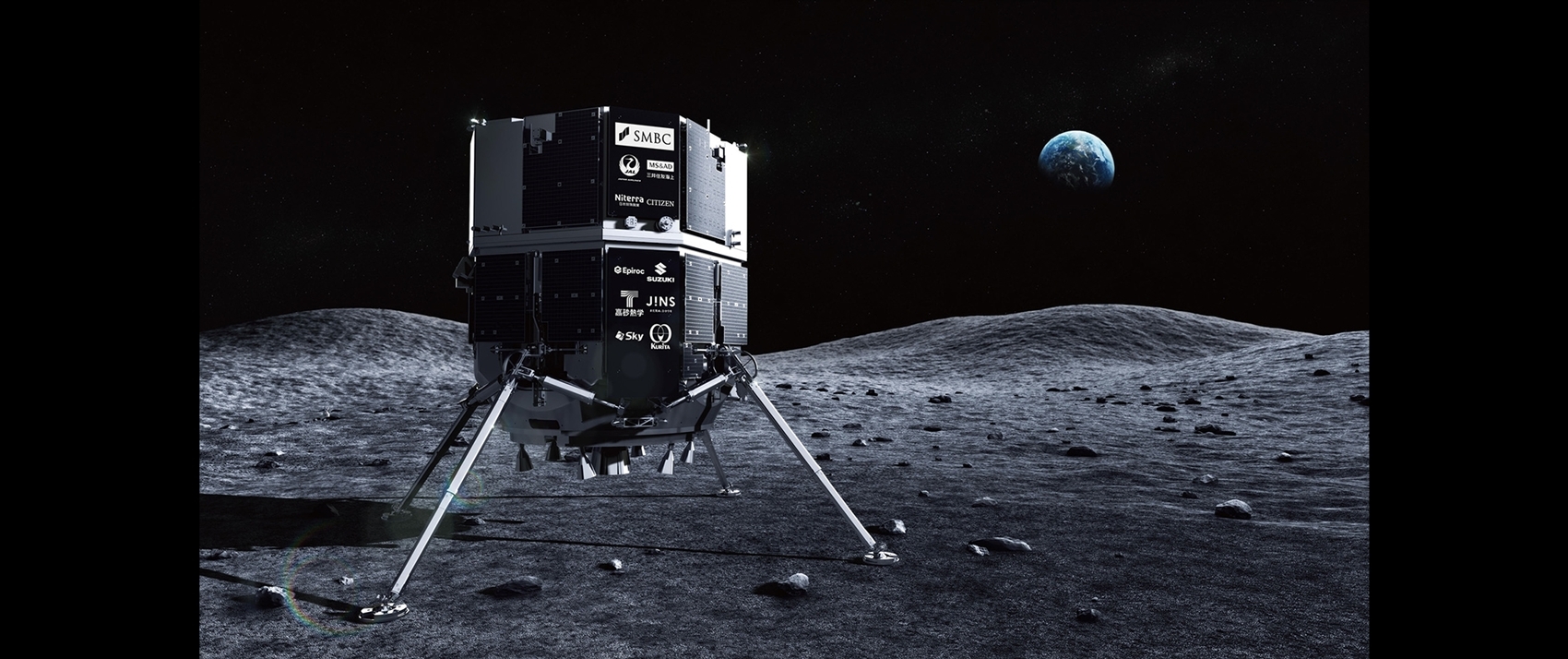
Image credit: ispace
Next stop, the Moon!
On June 5, 2025 Japan’s ispace Resilience lunar lander is set to plop down near the center of Mare Frigoris (Sea of Cold)!

Image credit: ispace
“Should conditions change, there are three alternative landing sites that are being considered with different landing dates and times for each,” an ispace posting explains.
Meanwhile, a newly-released image taken with the spot camera mounted on top of the lander. The cover that protects the Tenacious micro rover is visible in the bottom right of the image.

Image credit: ispace
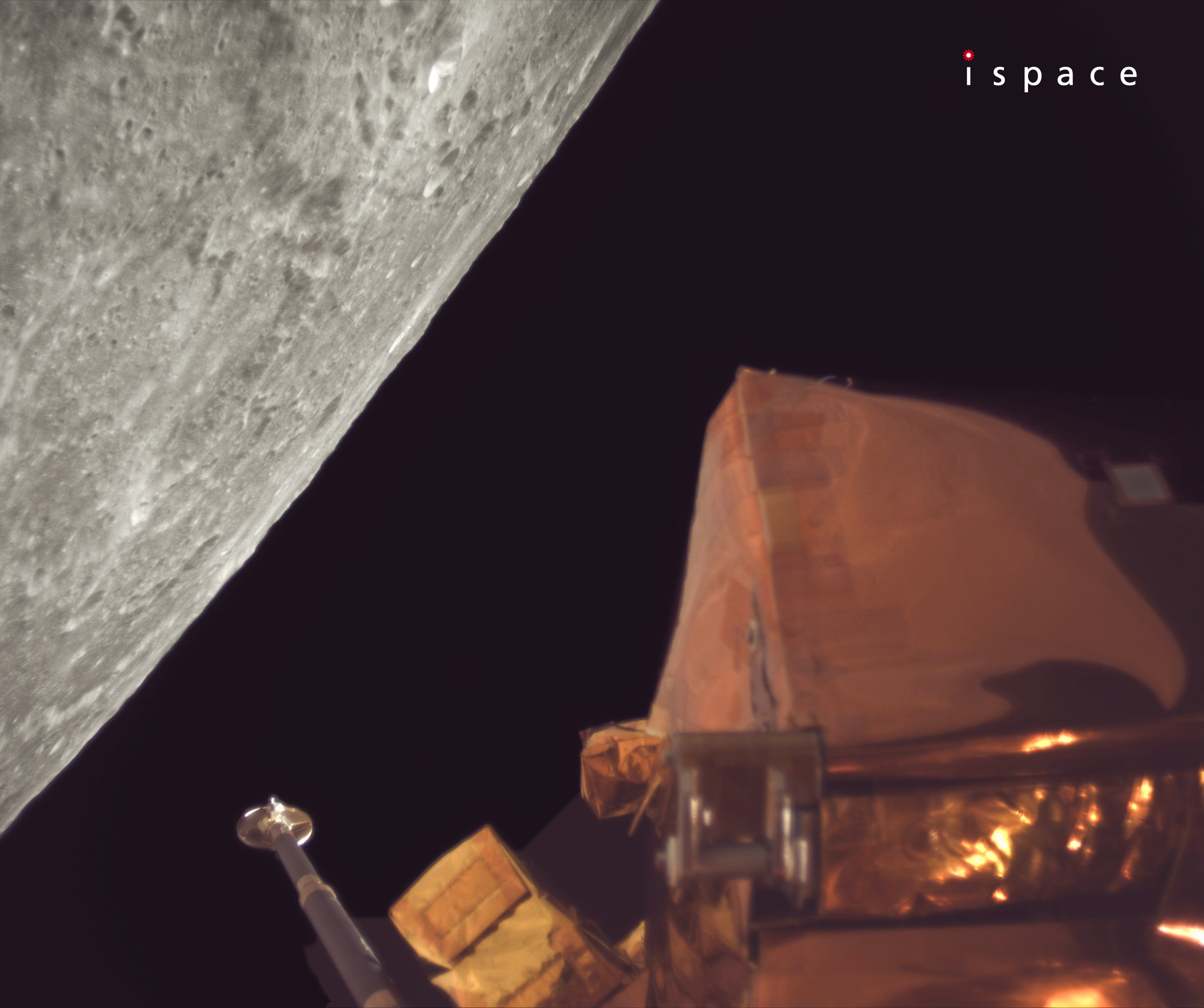
Image credit: ispace
 Posted in

Image credit: NASA
The White House released fiscal year 2026 budget proposal for NASA calls for nearly 25 percent less in funding than NASA received for fiscal year 2025.

Image credit: White House
The release on May 2 of that budget proposes significant changes to NASA’s crewed lunar plans, presence on the International Space Station, and science missions, among other changes.
Budget implications
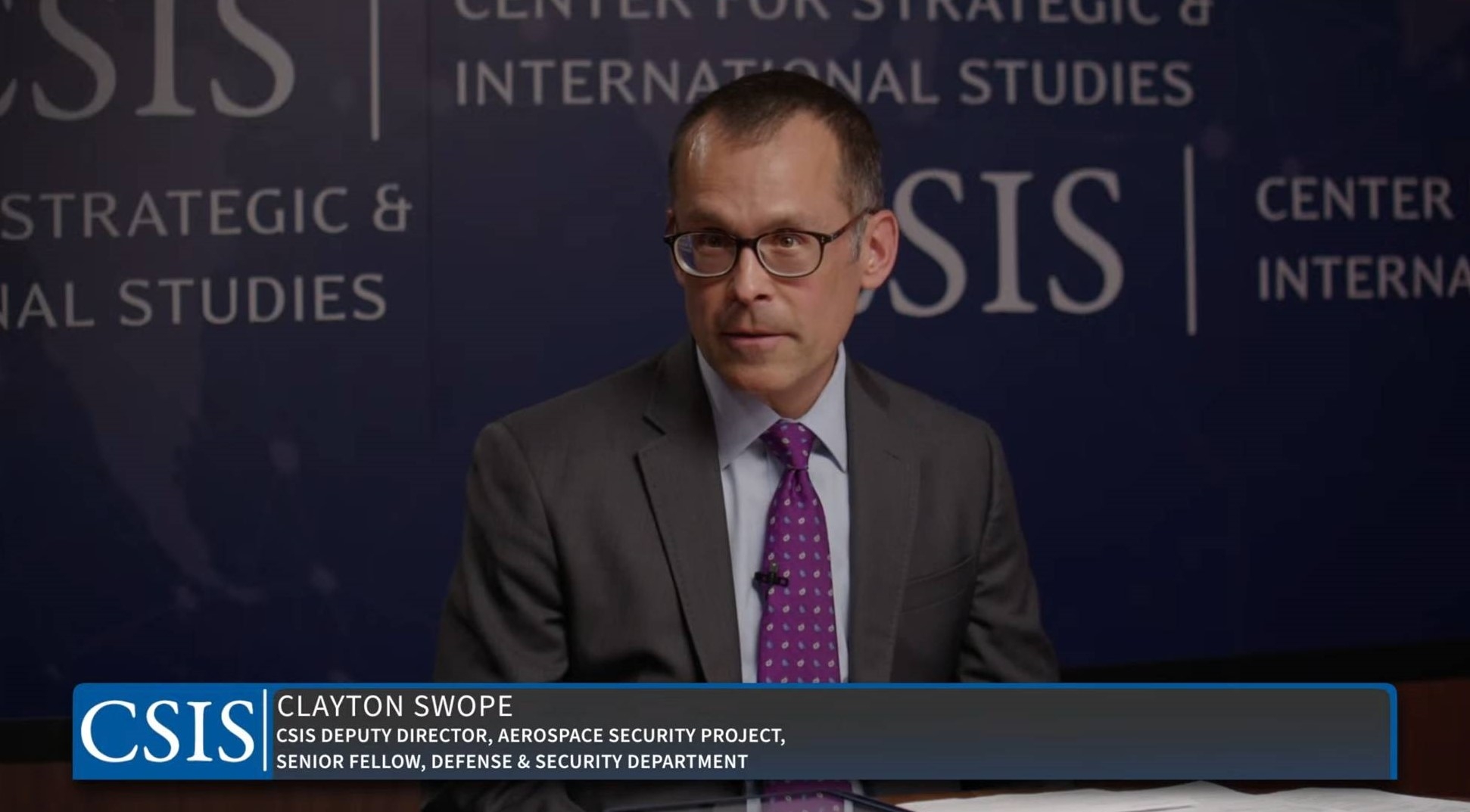
Image credit: CSIS/Inside Outer Space screengrab
The implications of the budget took center stage in a highly-informative discussion at the Center for Strategic and International Studies (CSIS).
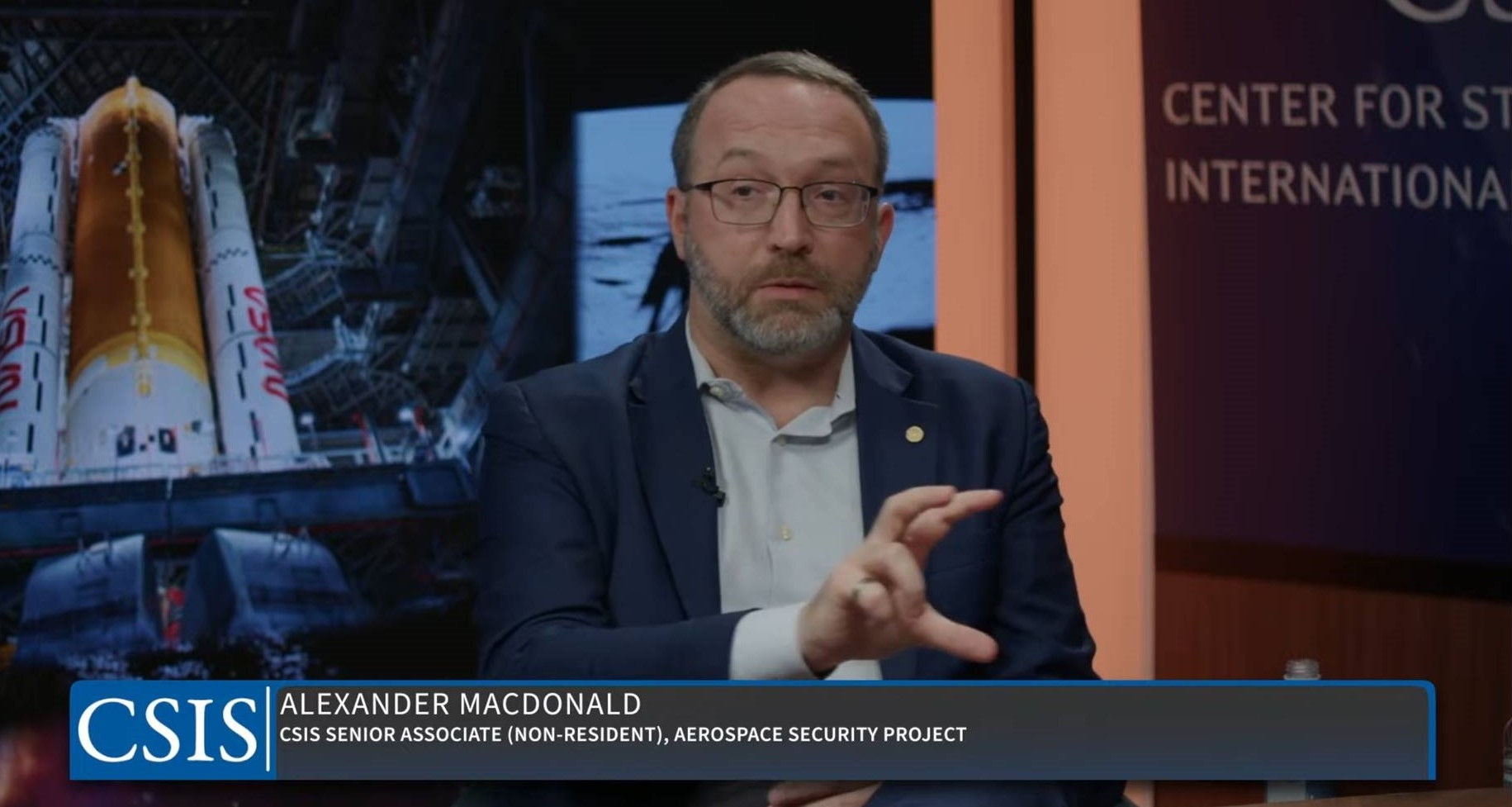
Image credit: CSIS/Inside Outer Space screengrab
This NASA Budget Outlook Discussion took place on May 14 involving Clayton Swope, Deputy Director of the CSIS Aerospace Security Project; Alexander MacDonald. Senior Associate (Non-resident) at the Aerospace Security Project; and Mike French, Founder of the Space Policy Group.
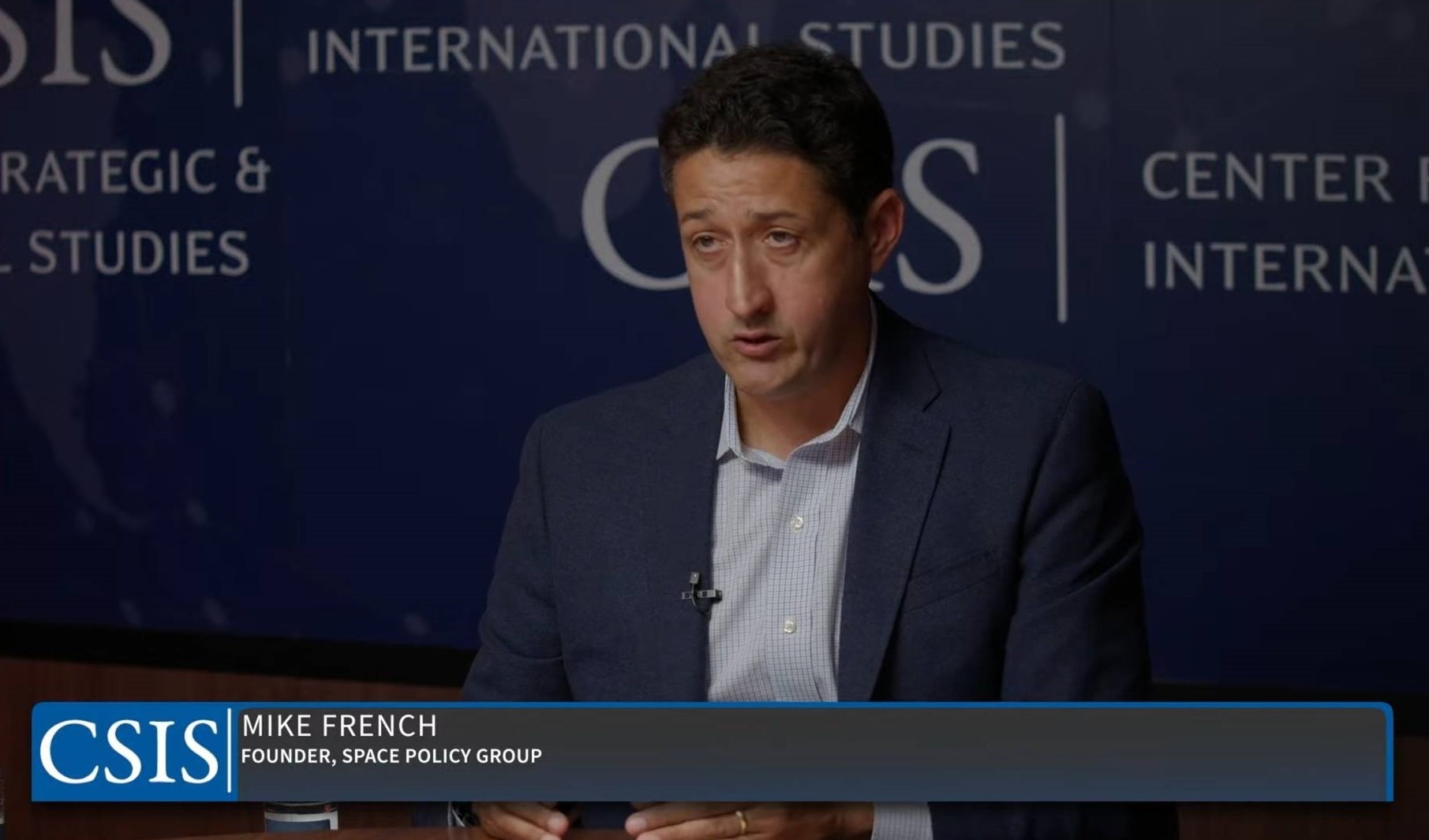
Image credit: CSIS/Inside Outer Space screengrab
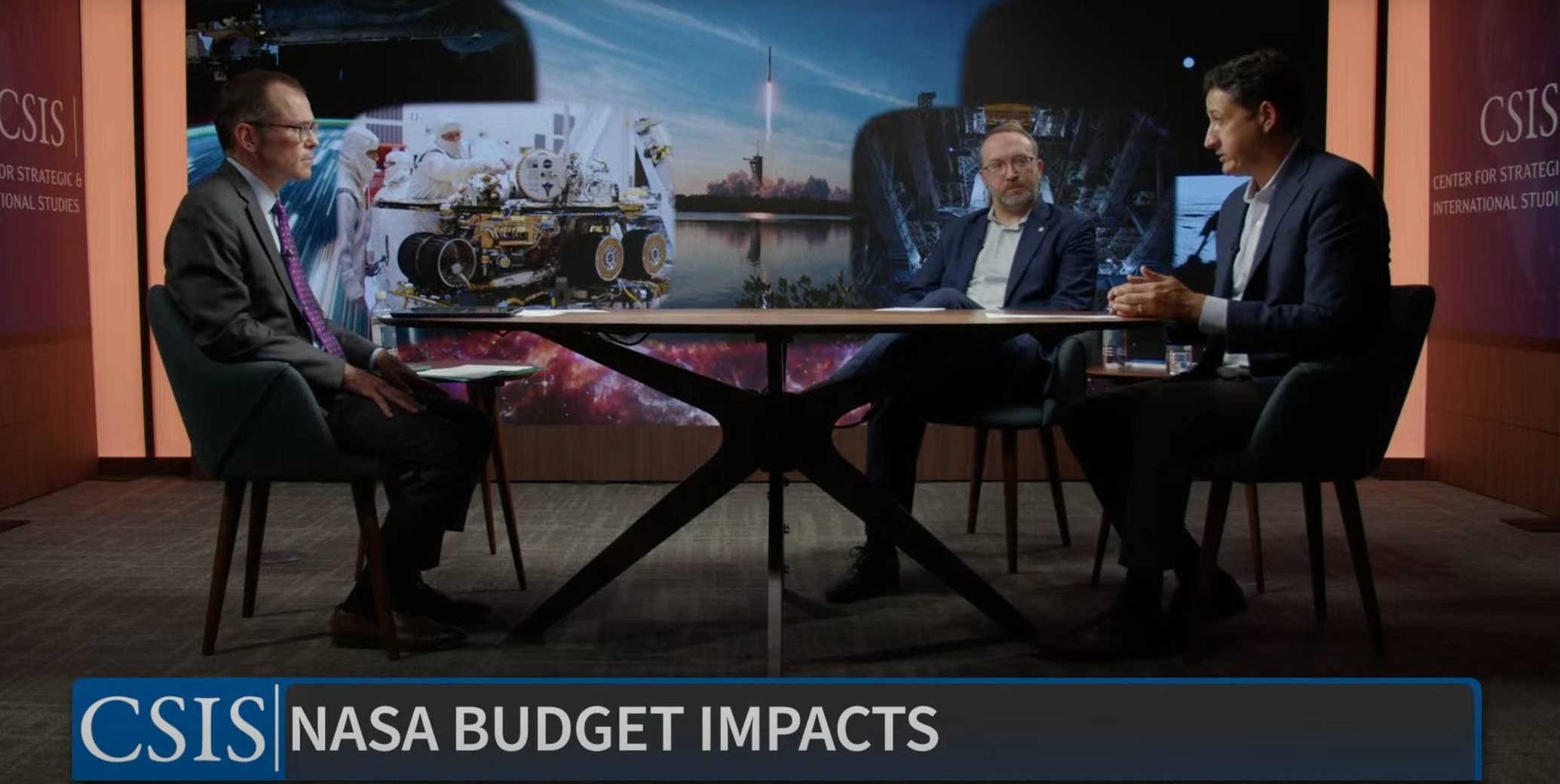
Image credit: CSIS/Inside Outer Space screengrab
This important event at CSIS is available for viewing at:
https://www.csis.org/events/nasa-budget-outlook-discussion
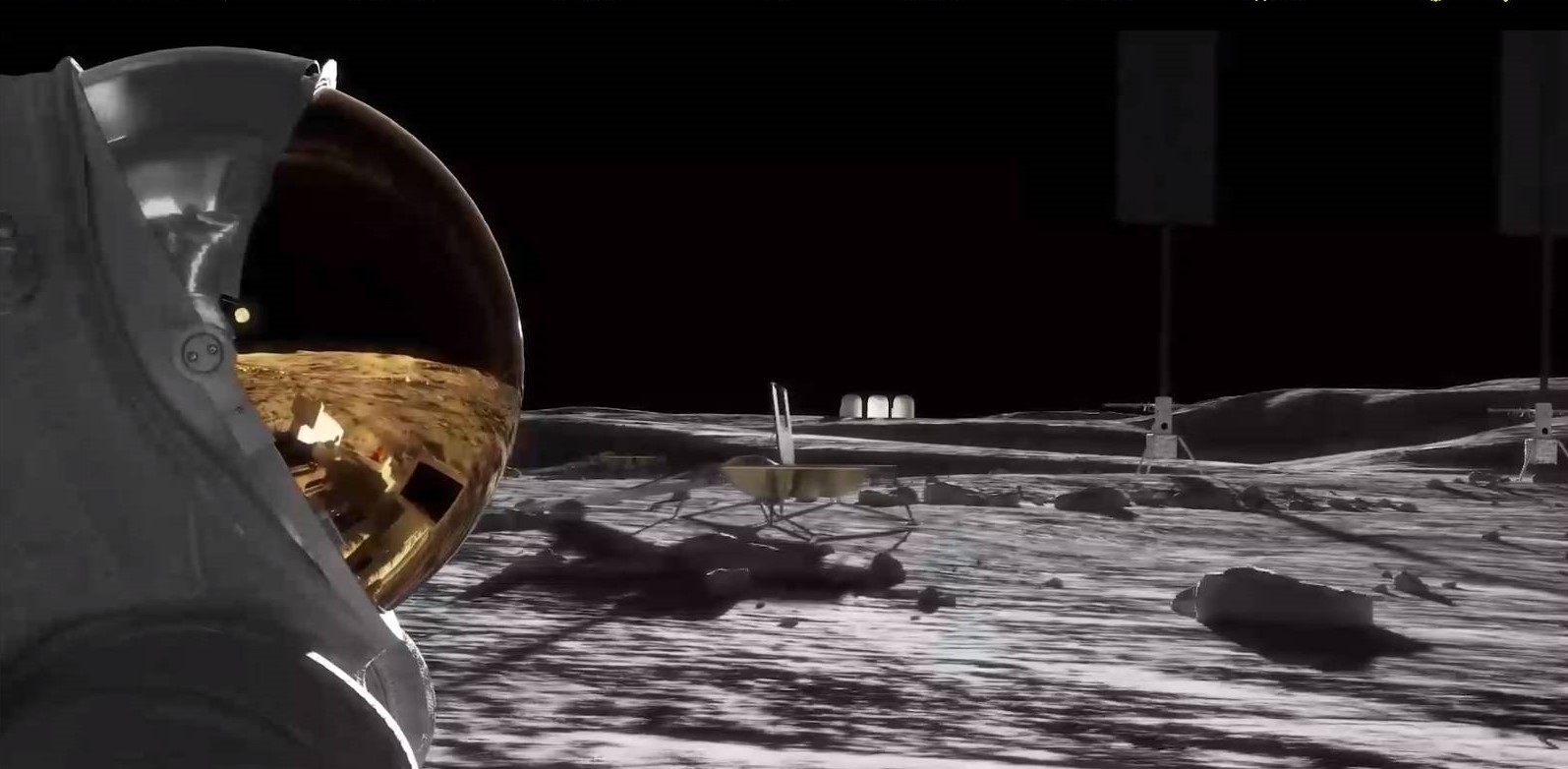
Creating a cis-lunar economy will take time, hardware, and political willingness to forge a link between the moon and Earth.
(Image credit: Lockheed Martin)
Cashing in on a cis-lunar economy is ballyhooed by space exploration advocates.
It’s a spillover term stirred up by today’s entourage of moon orbiters and investigative landers that are crossing the great divide of space between the Earth and moon.
But what needs to happen to help spark a cis-lunar economy? More yet, given actions of late, are we headed for entering a tariff-free zone?
Finding: There’s hard work ahead to put in place the needed hardware to sustain and define such a dollar-generating idea.

Taking the “Aquarius Regolith Run,” a Lockheed Martin video game demo showcased at the Space Symposium. But watch out for those crater rims!
Image credit: Barbara David
It turns out that power and day/night operations on the moon – that is, “plug-in and play” lunar equipment — stands out as a must-have if a cis-lunar economy is real not empty oratory.
For more information, go to my new Space.com story – “Can we actually build a thriving economy on and around the moon?” – “I don’t see an inner solar system in which we don’t significantly develop the moon if you’re going to go anywhere.”
https://www.space.com/astronomy/moon/can-we-actually-build-a-thriving-economy-on-and-around-the-moon

ispace lunar lander/rover.
Image credit: ispace
The Japanese ispace private Moon lander, Resilience, is slated to attempt a landing no earlier than June 5, 2025 UTC.
The landing area is in Mare Frigoris (60.5°N 355.4°E), a volcanic region interspersed with large-scale faults known as wrinkle ridges.
The Resilience lunar lander entered lunar orbit on May 7.
Meanwhile, NASA’s Lunar Reconnaissance Orbiter team has issued this image of the landing zone for Resilience.
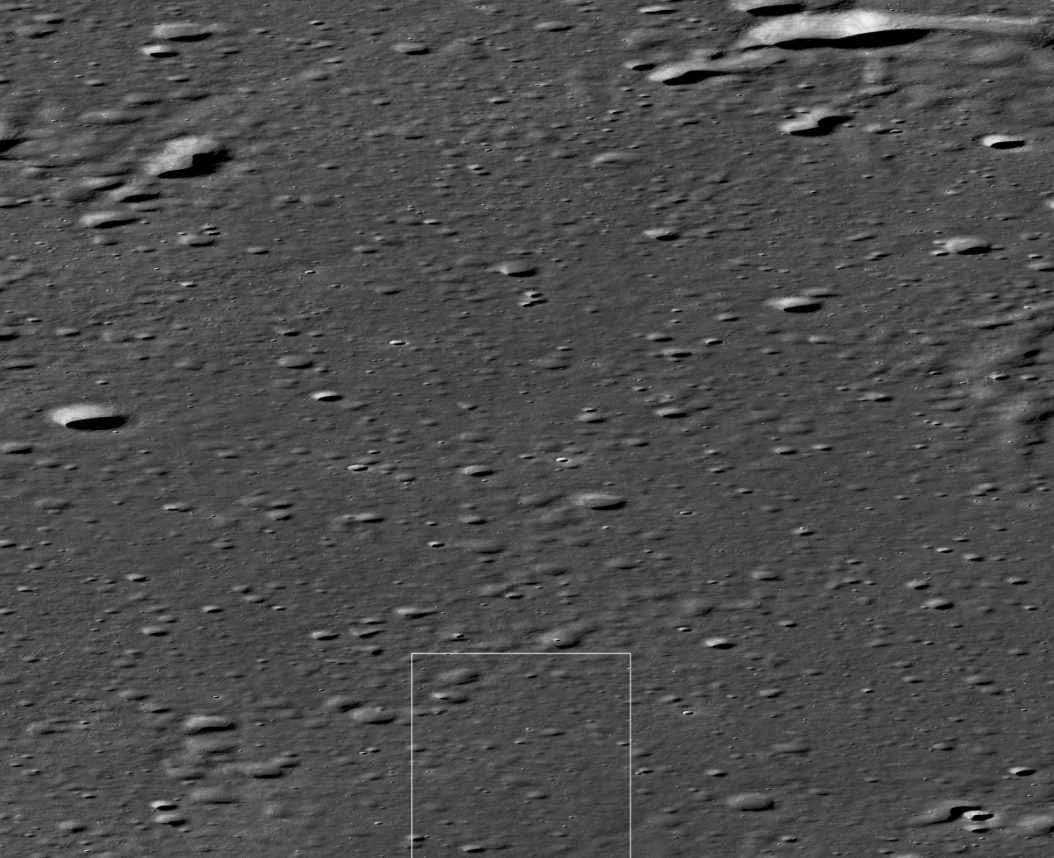
Image credit: NASA/GSFC/Arizona State University

Image credit: ispace
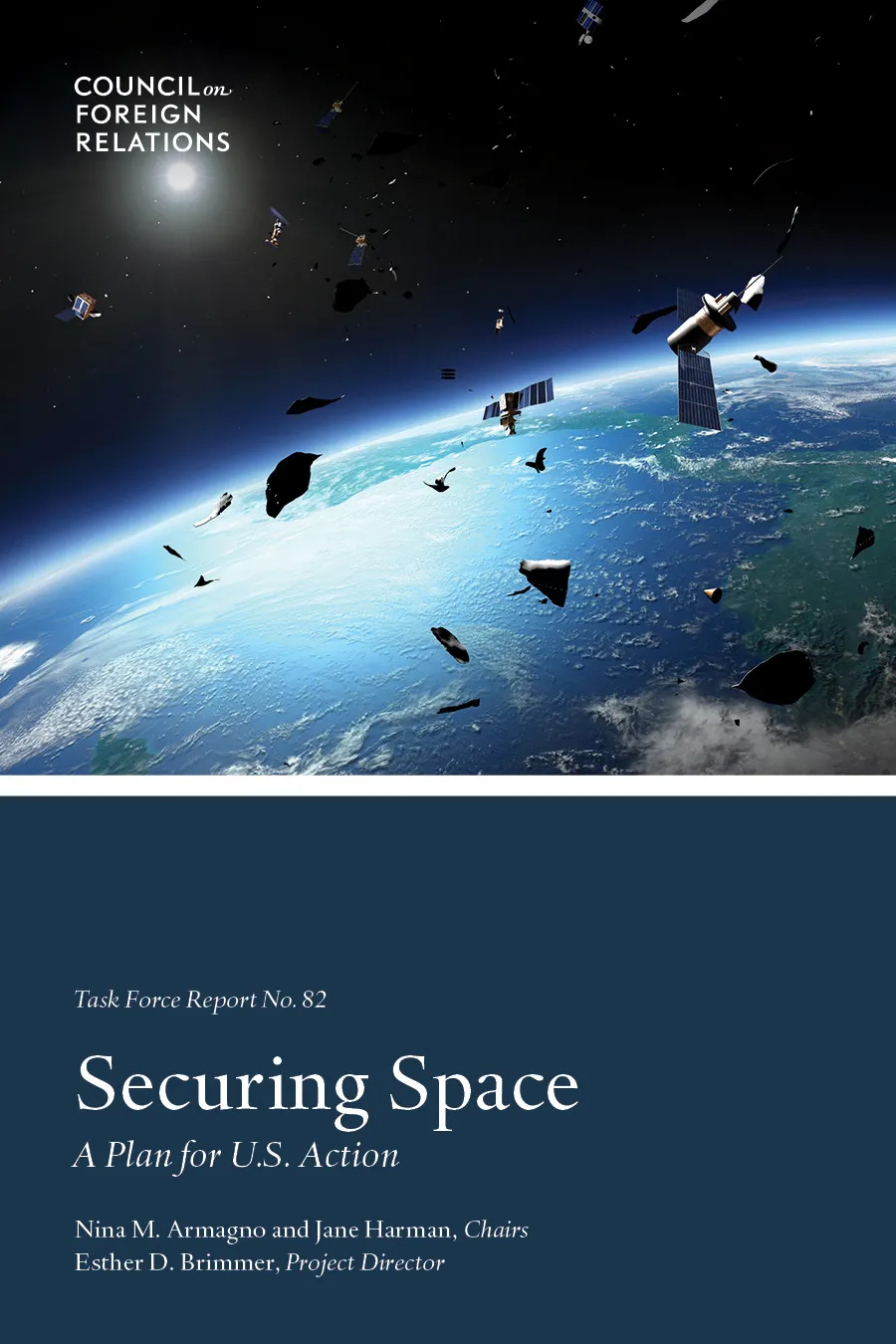
How best to deal with the growing prowess of China’s space program could start with a simple phone call – on a new hotline.
The United States needs to act now to address threats to space assets; champion space traffic management to support the growing space economy; and incorporate commercial perspectives into civilian and national security space policy.
That’s the output from a task force report sponsored by the Council on Foreign Relations, highlighted during the Space Foundation’s 40th Space Symposium held here April 7-10 by the Space Foundation at The Broadmoor.
For details, go to my new Space.com story – “US and China need a space hotline for orbital emergencies, experts say” – at:

Image credit: SpaceX
The upcoming test flight of the Starship-Super Heavy Flight 9 is subject to a Federal Aviation Administration go-ahead due to a still open mishap investigation of the Starship’s last flight on March 6.
Prior to the end of the ascent burn, an “energetic event” in the aft portion of Starship resulted in the loss of several Raptor engines. “This in turn led to a loss of attitude control and ultimately a loss of communications with Starship,” reported SpaceX. “Final contact with Starship came approximately 9 minutes and 30 seconds after liftoff.
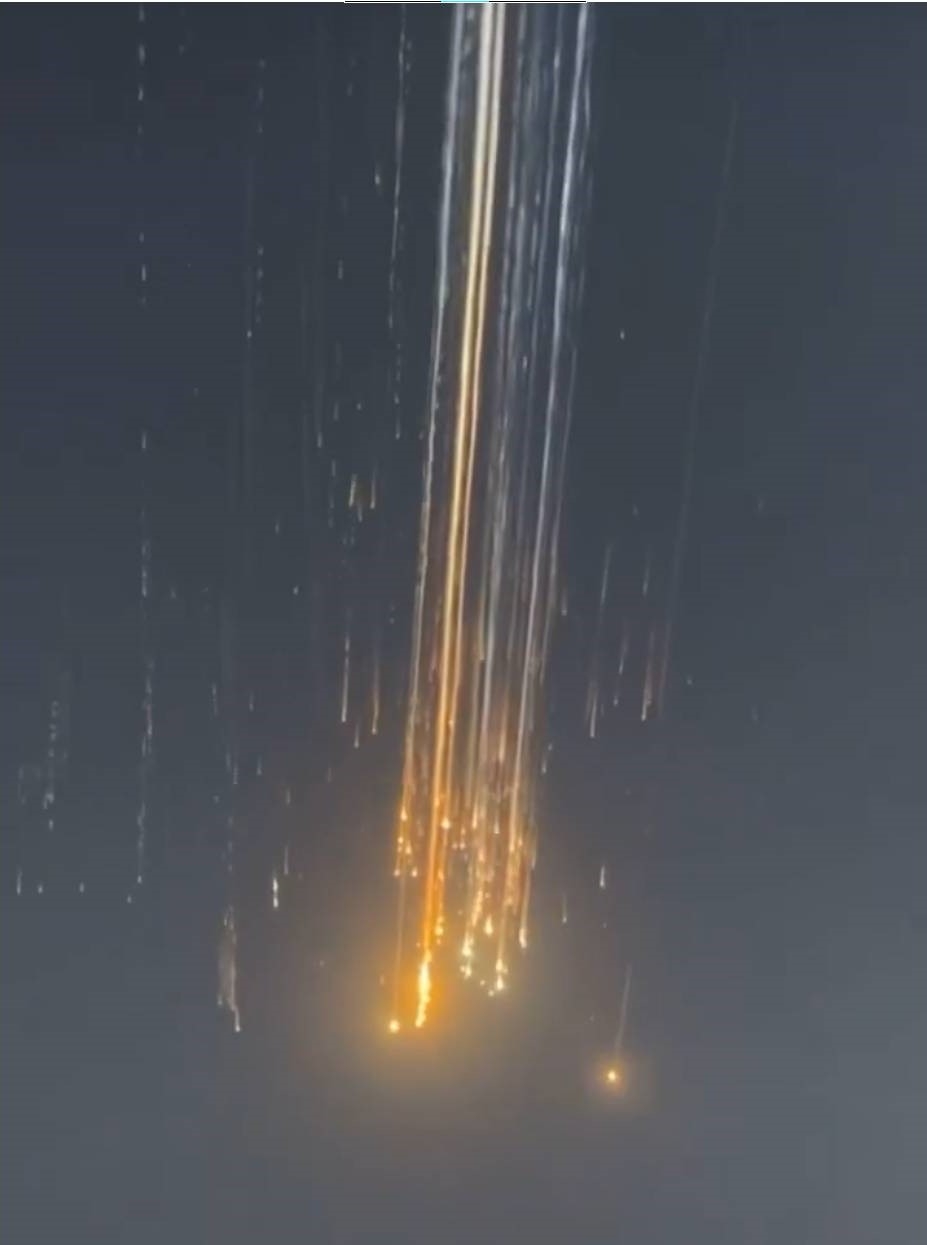
Starship debris image credit: Wandy Rodriguez@JustFlyAndRock
Mishap investigation
While the FAA has issued a license modification for SpaceX’s proposed Flight 9 operation, “the SpaceX-led mishap investigation for Starship-Super Heavy Flight 8 remains open,” states a communiqué from the FAA SpaceX Boca Chica Project Team.
“SpaceX may not proceed with the proposed Flight 9 launch until the FAA either accepts the final mishap investigation report or the FAA issues a return to flight determination,” the Team adds.
Aircraft hazard area
Based on the safety analysis for Starship-Super Heavy Flight 9, an Aircraft Hazard Area and associated Notice to Airmen (NOTAM) would necessitate FAA to close airspace over a portion of the Bahamas and the Turks & Caicos Islands.
An FAA “Tiered Environmental Assessment” indicates that the Aircraft Hazard Area (AHA) for Starship Flight 9 is projected to affect over 175 flights, “with 99 percent of the identified aircraft involved in international connecting routes.”
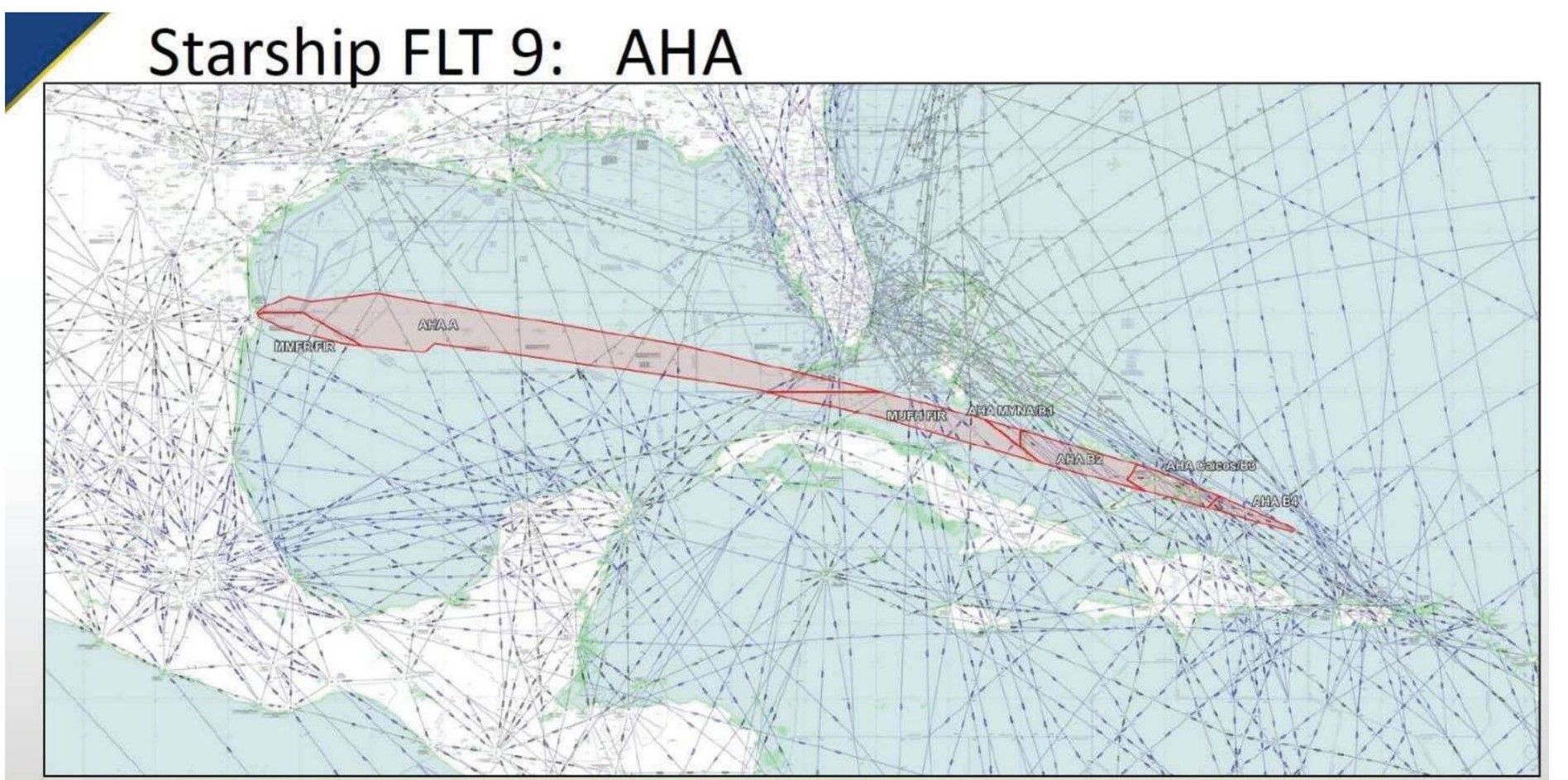
Image credit: FAA
To minimize disruption to National Airspace System (NAS) stakeholders, the launch window has been scheduled outside peak transit periods.

Global worry: Near-Earth Objects (NEOs).
Image credit: Texas A&M
Protecting Earth from threatening asteroids and comets must be a top priority for NASA.
That topic was addressed today in a Subcommittee on Space and Aeronautics hearing titled: From Detection to Deflection: Evaluating NASA’s Planetary Defense Strategy.
The hearing also evaluated NASA’s progress towards completing the survey of Near Earth Objects (NEOs) greater than 140 meters in diameter as statutorily required by the George E. Brown, Jr. Near-Earth Object Survey Act.

Image credit: Subcommittee on Space and Aeronautics/Inside Outer Space screengrab
Hearing witnesses
- Nicola Fox, Associate Administrator, Science Mission Directorate, NASA
- Amy Mainzer, Department of Earth, Planetary, and Space Sciences, University of California, Los Angeles
- Matthew J. Payne, Director, Minor Planet Center, Smithsonian Astrophysical Observatory
NEO Surveyor status
Subcommittee Chairman Mike Haridopolos noted that as of last September, NASA estimated it had identified approximately 44 percent of the estimated population of NEOs larger than 140 meters, less than half of its goal.

Amy Mainzer, Principal Investigator of NEO Surveyor.
Image credit: Subcommittee on Space and Aeronautics/Inside Outer Space screengrab
“But help is on the way,” Haridopolos said, spotlighting the NEO Surveyor mission, the first spacecraft explicitly built to detect near-Earth asteroids and comets. It is scheduled to launch by 2028. NEO Surveyor uses infrared detectors to track objects that would otherwise be difficult to find due to the glare of sunlight.
Hazardous asteroids yet to be found
Brian Babin, House Science, Space, and Technology Committee chairman, noted U.S. efforts to detect NEOs began in the 1990s, but a major initiative was passed as part of the 2005 NASA Authorization.
“The George E. Brown Jr. Near-Earth Object Survey Act directed NASA to detect, track, and catalogue 90 percent of NEOs larger than 140 meters in diameter within 15 years. At that size, a NEO-Earth impact could cause significant regional destruction,” Babin said in an opening statement.

Image credit: APL
“Nearly 20 years after the Act’s passage, only 44 percent of the estimated NEOs larger than 140 meters have been identified,” said Babin. “Despite being five years past the original deadline, many potentially hazardous asteroids have yet to be found.”
To view the hearing, go to:
https://www.youtube.com/live/5SamCKEOoeQ?si=yhws_rMsow7-R2TR

Departure of Mars Ascent Vehicle carrying Mars samples.
Credit: NASA
Years in the making, NASA in cooperation with the European Space Agency (ESA) have been intently plotting out plans to send future spacecraft to Mars and bring bits and pieces and a whiff of atmosphere to Earth for rigorous inspection by state-of-the-art equipment.
Those collectibles may well hold signs of past life on that enigmatic, dusty and foreboding world.

Perseverance rover deposits select rock and soil samples in sealed tubes on Mars’s surface for future mission to retrieve and bring them to Earth for detailed study.
NASA/JPL-Caltech
But President Trump’s Fiscal Year 2026 proposed budget blueprint issued on May 2 is a projected budget bombshell for NASA, one that takes the life out of the Mars Sample Return (MSR) venture.
In fact, MSR is tagged in the White House budget numbers as “grossly over budget and whose goals would be achieved by human missions to Mars,” explaining that MSR is not scheduled to return samples until the 2030s.
MSR advocates are crying foul. Now what?
Go to my new Space.com story – “Trump’s 2026 budget plan would cancel NASA’s Mars Sample Return mission. Experts say that’s a ‘major step back’” – at:

Wait-a-Minute!
Image credit: Barbara David
Call it an SOSS message – a Save Our Solar System planetary science community communiqué.
It is unquestionably a “wait-a-minute” concern running through the space science research groups.
Given the considerable uncertainty about the future NASA Science budget given projected Trump Administration funding considerations, the chairs of analysis/assessment groups (AGs), linked to the space agency’s Planetary Science Division, issued a statement today.
The statement has been stirred up by the President’s top-level recommendations on discretionary funding levels for fiscal year (FY) 2026, or so-called “skinny budget.”

Image credit: White House
Budget specificity
The term skinny budget means that the document contains brief descriptions of programs and recommended financial reductions or increases.
Still to come is the “Full Monty” of budget specificity that’s expected shortly.
That skinny budget was released on May 2 and noted major cuts to NASA’s Science Mission Directorate budget, such as cancelling the top Decadal priority flagship mission, Mars Sample Return.

NASA’s Perseverance rover has been busy at work collecting Mars samples at Jezero Crater. A projected Mars Sample Return program would bring those specimens to Earth for state-of-the-art analysis.
Image credit: NASA/JPL-Caltech
“The extent of the proposed cuts to, or cancellation of, missions and programs, including research and analysis, will not be known until the full budget is released,” the statement observes. “That budget will make its way through Congress, where changes of unknown magnitude are likely to be made and we won’t know the final FY26 budget for some time to come.”

Image credit: NASA/Jenny Mottar
Impacts of NASA science
As reiterated in the statement, the positive impact of science at NASA and crucial role it plays in broad societal terms include:
- Exploration and research in planetary science enables us to better understand the history of the Solar System, as well as our planet and origins;
- Deep space exploration is a tremendous source of innovation in science and technology having applications well beyond space science research, including in the commercial sector, where over 60 years of investment and development have placed the US at the forefront of research and technological advancements in general;
- Planetary and space science research has served as an inspiration for generations of present and future scientists and engineers. NASA’s science and exploration contribute to our national posture, where US leadership in planetary science is a source of geopolitical soft power;
- NASA’s spaceflight missions and associated scientific research are thoughtfully developed and carefully prioritized, being guided by reports from the independent National Academies of Science, Engineering, and Medicine; these reports are written by top scientists and engineers and represent the consensus view of their respective communities as to the activities that will be of greatest value to science and the American taxpayer over decadal timespans;
- Science at NASA engages some of the brightest minds of the nation to develop solutions to problems of human survival and growth based on fact-based inquiry and analysis – although life and civilization are robust, the geologic record shows the Earth’s and the Solar System’s history of catastrophe and global change, from extinction-level impacts to solar storms to ice ages and hot-houses and science enables us to understand these better; and
- At the broadest level, science everywhere represents fundamental human curiosity, helping us to understand the world around us and develop innovative solutions to problems, enabling us to become more productive, and make informed decisions about societal concerns.
Eating the seed corn
In closing, the statement signed by AG officials reminds the reader of an observation of noted space scientist, Carl Sagan:

Astronomer Carl Sagan poses with a model of a NASA Viking lander in Death Valley, California.
Image credit: NASA
“Cutting off fundamental, curiosity-driven science is like eating the seed corn,” Sagan advised. “We may have a little more to eat next winter but what will we plant so we and our children will have enough to get through the winters to come?”
The letter explains that by abandoning our most ambitious efforts, such as Mars Sample Return, which already have substantial investment, “will cede this position of leadership to other nations, such as China.”
Lastly, the communiqué concludes that science at NASA deserves “full-throated support from our community and the public.”
For their part, the AG chairs are working diligently to represent the PSD community in this time of change, “but we encourage you to make your voice heard, and the more voices, the more powerful the impact will be.”

Wait-a-Minute!
Image credit: Barbara David

New Mexico’s Spaceport America.
Image credit: Spaceport America
Spaceport America is the first purpose-built commercial spaceport in the world – but its executive director has a portfolio of ideas to further grow the launch complex.
Scott McLaughlin is an engineer, drawing upon a past of design and business marketing. How best to grow Spaceport America, an inland spot in southern New Mexico desert that offers 18,000 acres adjacent to the U.S. Army White Sands Missile Range?

Spaceport America in New Mexico is home base for the SpinLaunch Suborbital Accelerator that has spun-up a number of successful test flights.
Image credit: SpinLaunch
Commercial space tenants
Already home to an array of commercial space industry tenants, such as — Virgin Galactic, SpinLaunch, Up Aerospace, and Prismatic – Spaceport America is a “rocket-friendly environment of 6,000 square miles of restricted airspace, low population density, a 12,000-foot by 200-foot runway, vertical launch complexes, and about 340 days of sunshine and low humidity,” the organization boasts on its website.

Scott McLaughlin, executive director of New Mexico’s Spaceport America.
Image credit: Barbara David
Space.com caught up with McLaughlin in an exclusive interview during the Space Foundation’s 40th Space Symposium, recently held in Colorado Springs, Colorado.
To read the interview, go to my new Space.com story – “New Mexico’s Spaceport America looks up and into the future” – at:

Maiden spaceflight of Virgin Galactic’s new Delta SpaceShip carrying research payloads is planned for summer 2026.
Image credit: Virgin Galactic

