Archive for August, 2018
 Author:
 August 1st, 2018
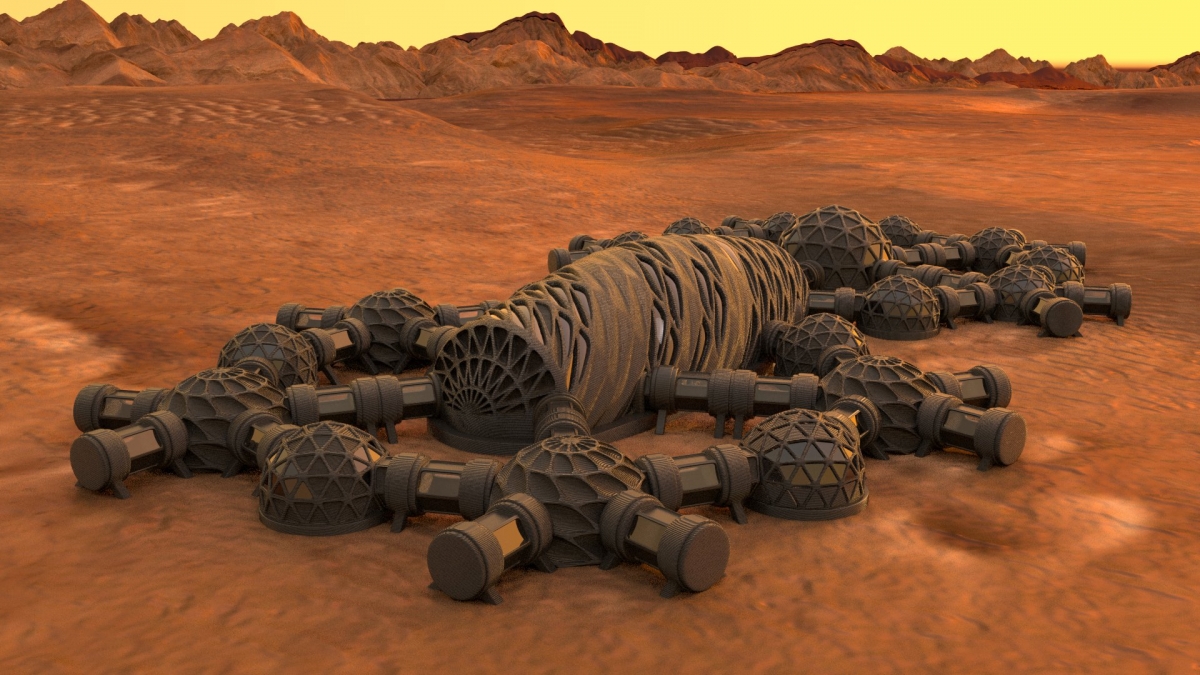
Credit: NASA/Autodesk
It doesn’t make sense to haul from Earth building supplies on missions to Mars. But 3D-printing robots could help build homes on the Red Planet using dirt and recycled plastic.
NASA’s Swamp Works lab at the Kennedy Space Center is working with Autodesk in experimenting with 3D-printing habitable structures using a process called robotic extrusion, and a composite material made up of loose sediment (soil, dust, broken rock, etc.) and recycled plastic.
Free-form additive manufacturing
Based on NASA specifications, Autodesk’s Advanced Consulting team designed the barrier using tools such as Fusion 360 and PowerMill to comply with structural as well as robotic extrusion requirements while achieving significant weight reduction.
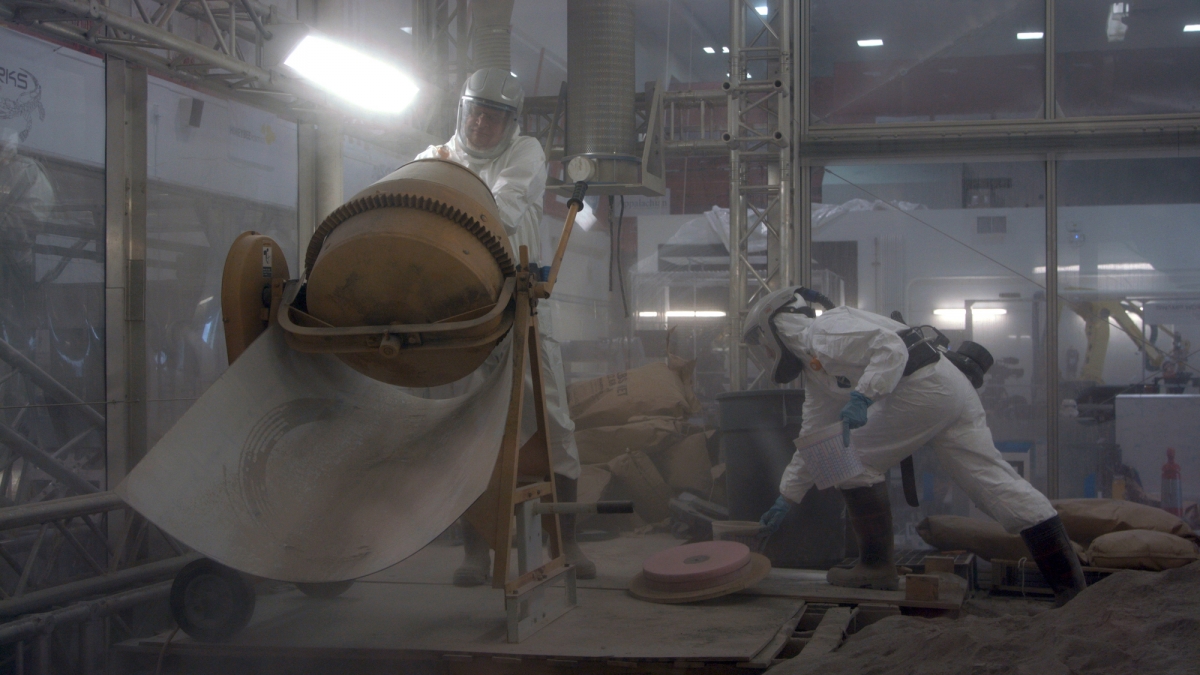
Credit: NASA/Autodesk
In a press statement, Autodesk said it also developed the software to control the industrial robot arm – fit with a specialized end effector designed by NASA – to enable free-form additive manufacturing without the need for outside support or scaffolding.
Take a look at this informative video at:
 Posted in

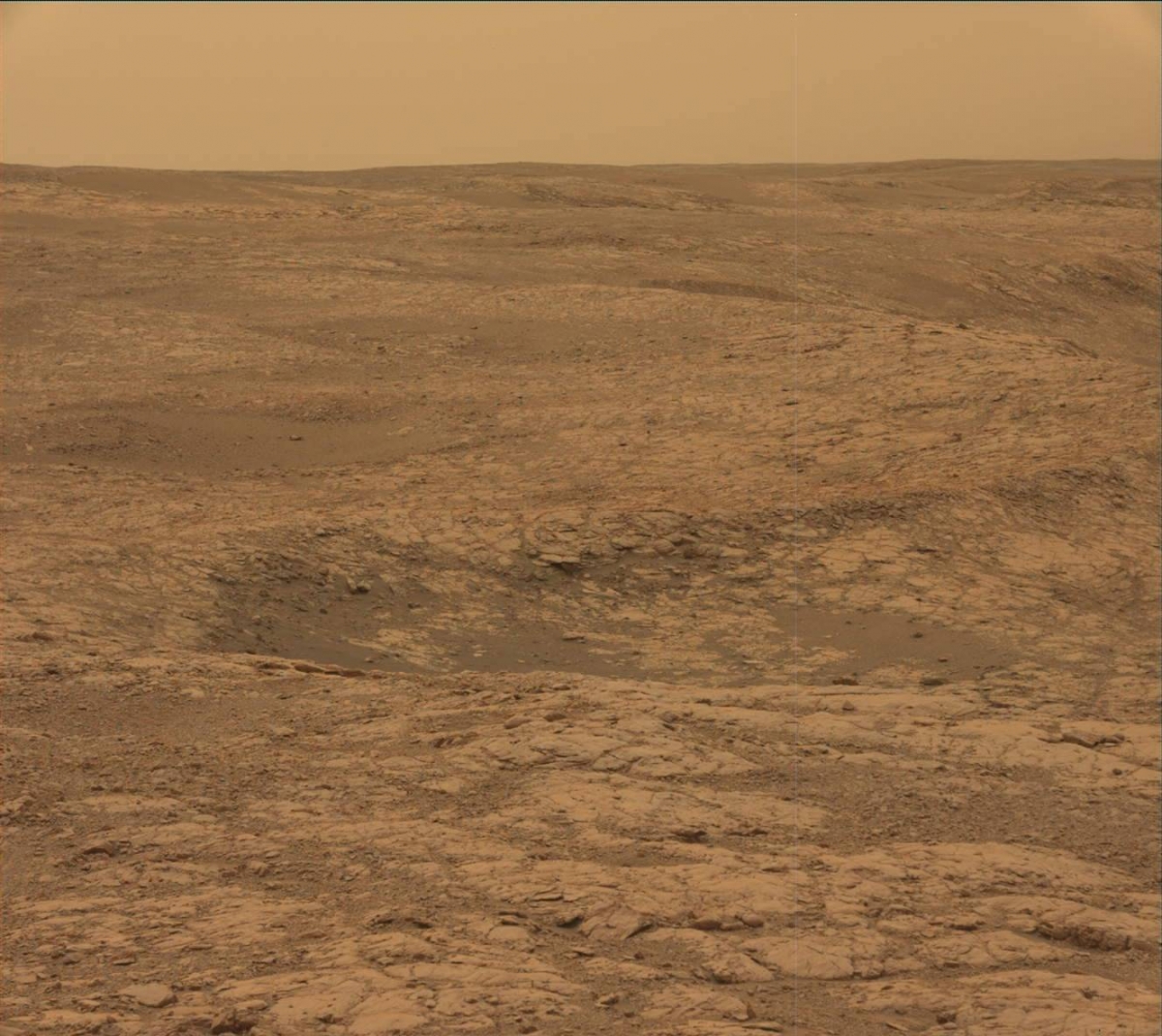
Curiosity Mastcam Left Sol 2126 July 30, 2018
Credit: NASA/JPL-Caltech/MSSS
NASA Curiosity Mars rover is now performing Sol 2128 duties.
The search for softer rocks on the Red Planet is on, reports Ryan Anderson, a planetary geologist at the USGS in Flagstaff, Arizona.
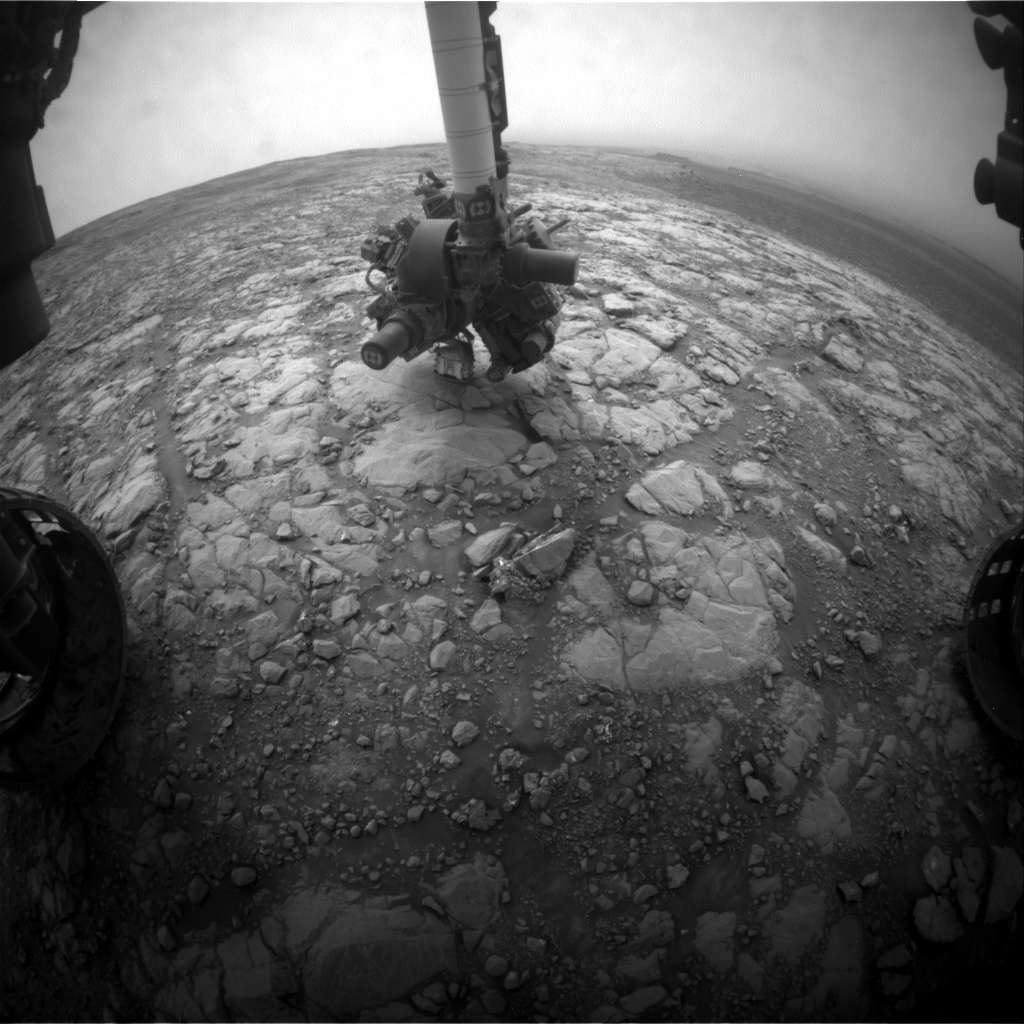
Curiosity Front Hazcam Left B image acquired on Sol 2127, July 31, 2018.
Credit: NASA/JPL-Caltech
Potential drill site
Curiosity is continuing toward a third potential drill site within the Pettegrove Point member of Vera Rubin Ridge, “where we are hoping to find slightly softer rocks,” Anderson notes.
On the plan, the rover is to carry out Chemistry and Camera (ChemCam) observations of the target “Slioch,” which was already analyzed by the Alpha Particle X-Ray Spectrometer (APXS), as well as the layered rock “Craignure Bay.”
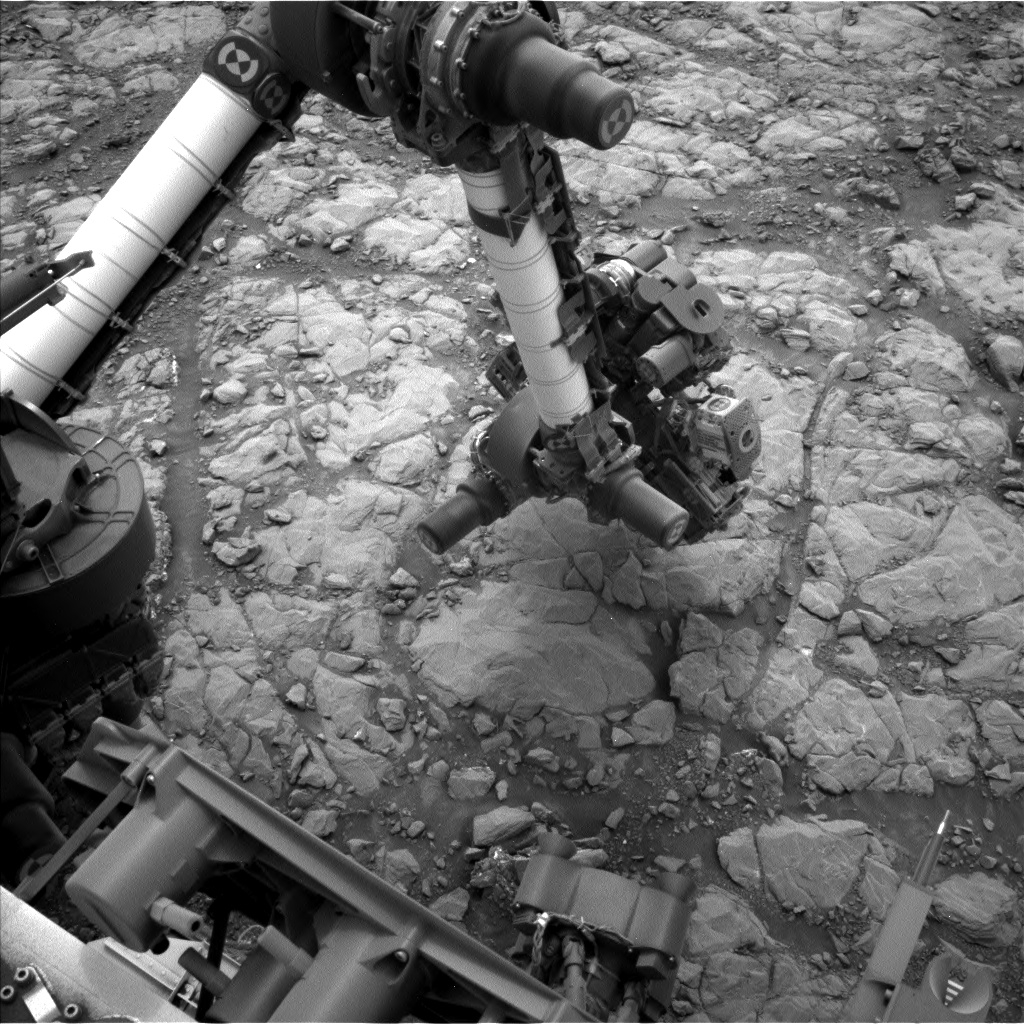
Curiosity Navcam Left B photo taken on Sol 2127, July 31, 2018.
Credit: NASA/JPL-Caltech
The robot’s Mastcam is slated to document both of these targets, using a small mosaic around Craignure Bay to capture images of some of the tilted rocks nearby as well.
Then Navcam is to do atmospheric observations.
Short bump
“After that, the rover will drive toward our next drill site and take some post-drive images. Navcam will do some more atmospheric measurements, and ChemCam will make an auto-targeted observation of the bedrock near the rover,” Anderson points out.
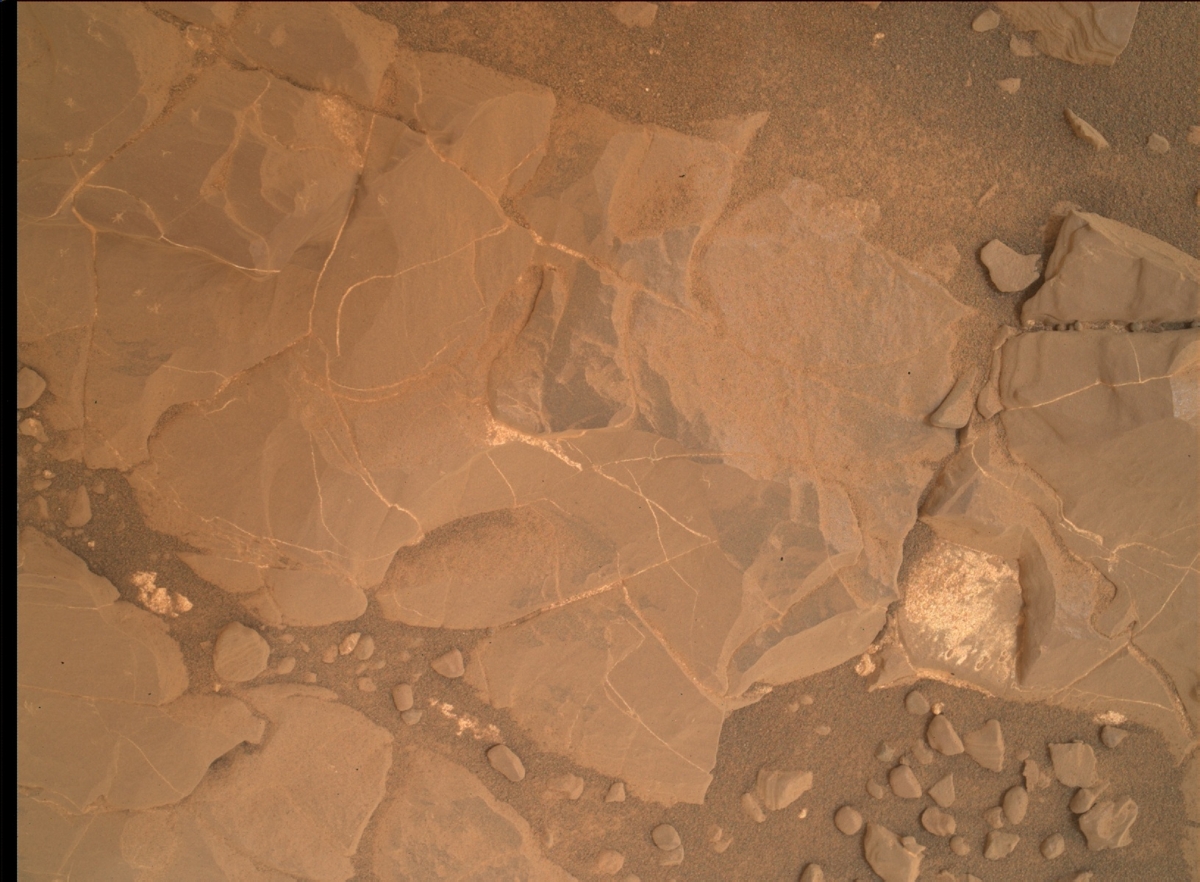
Curiosity Mars Hand Lens Imager (MAHLI) photo produced on Sol 2127, July 31, 2018.
Credit: NASA/JPL-Caltech/MSSS
The plan of rover actions will conclude with an 8-frame Navcam “movie” of the sky to look for clouds and measure the wind direction over Gale crater.
“Hopefully,” Anderson concludes, “we’ll be close enough to do just a short bump to the drill site so we can try drilling again this weekend!”
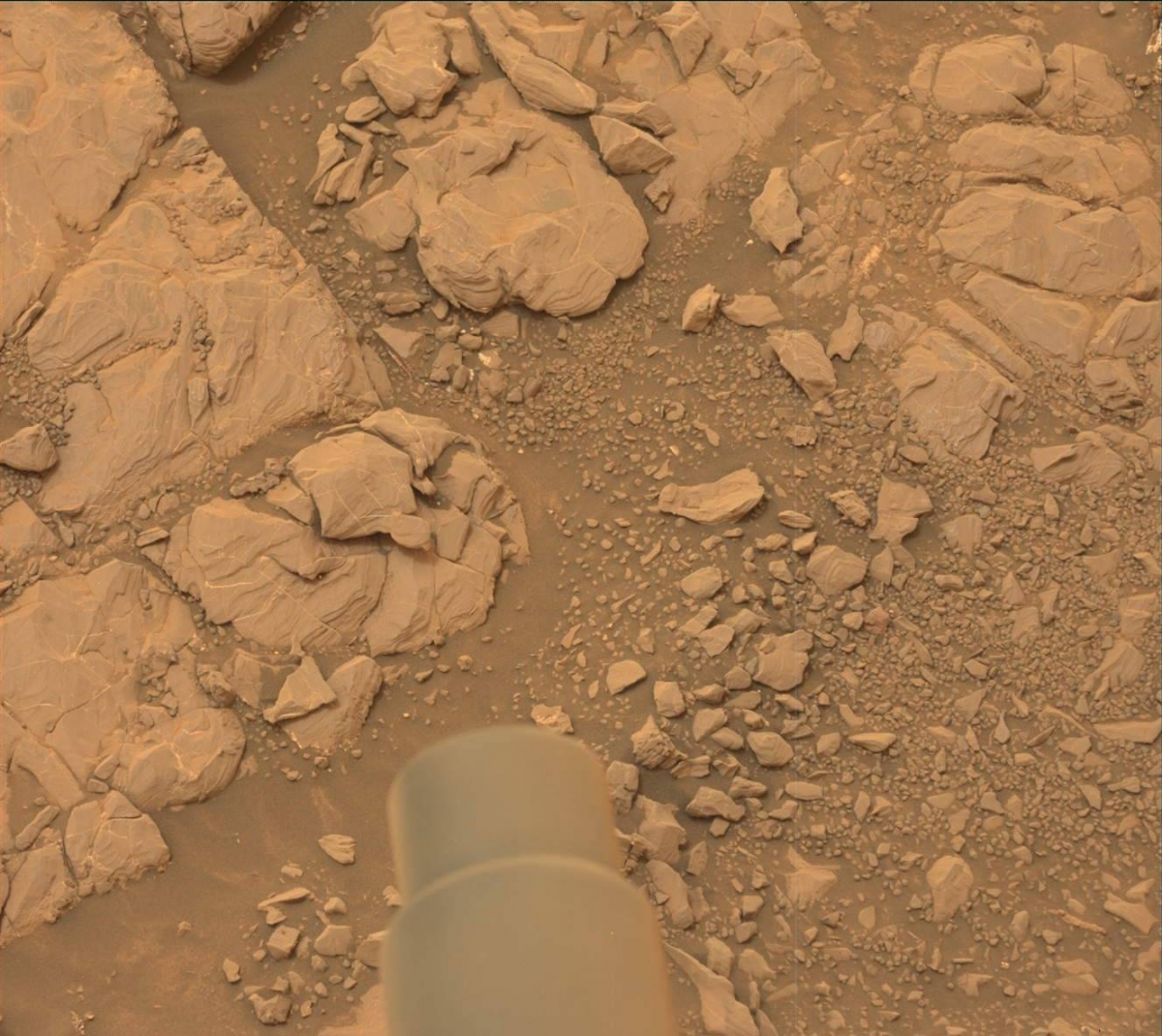
Curiosity Mastcam Left image taken on Sol 2126, July 30, 2018.
Credit: NASA/JPL-Caltech/MSSS

