Archive for September, 2015
 Author:
 September 3rd, 2015
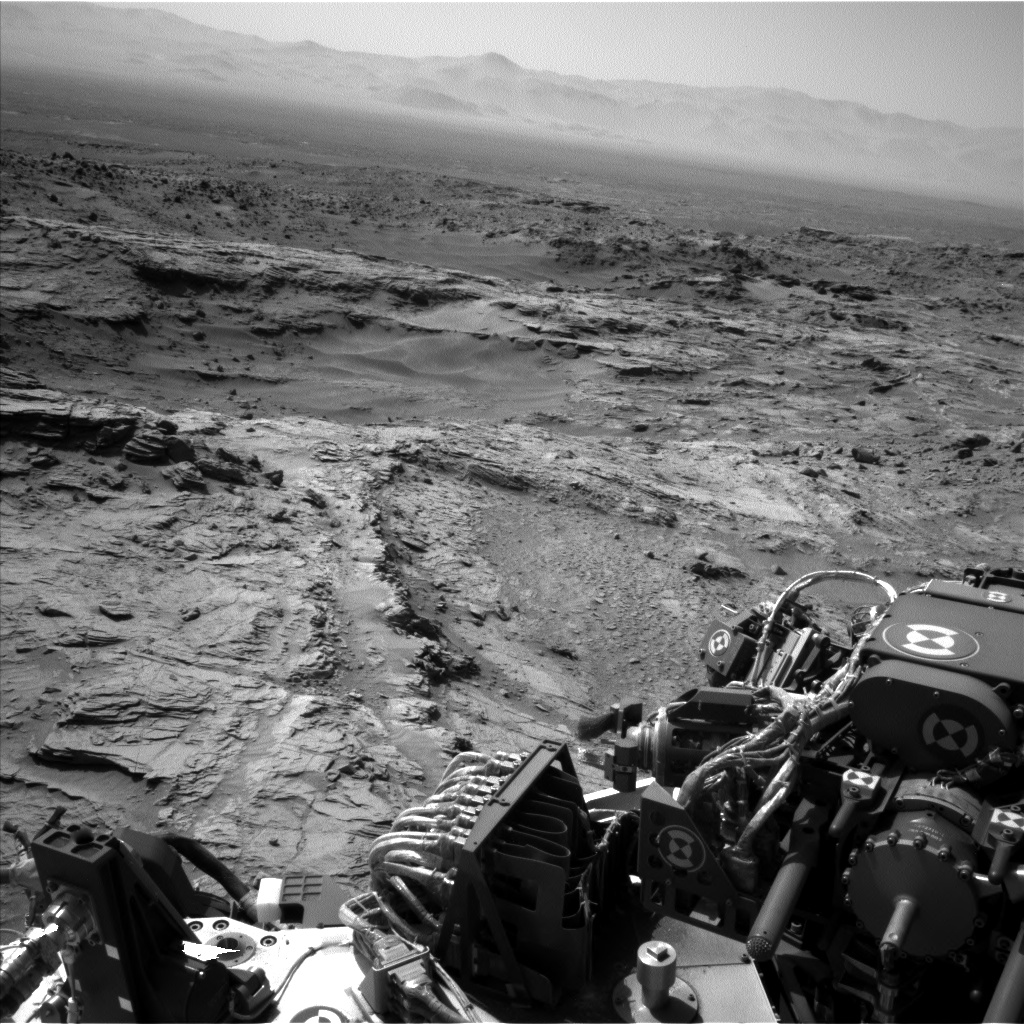
This image was taken by Navcam: Left B onboard NASA’s Mars rover Curiosity on September 3, 2015, Sol 1093.
Credit: NASA/JPL-Caltech
NASA’s Curiosity Mars rover is back on the road.
Earlier this week, successful “contact science” on the Stimson unit in the Williams area on Mars was done.
The robot is continuing on its drive towards Bridger Basin and eventually the Bagnold Dunes, reports Lauren Edgar, a research geologist at the USGS Astrogeology Science Center in Flagstaff, Arizona and a member of Mars Science Laboratory’s science team.
Dusting off Ledger
A set of observations using Curiosity’s Mastcam and ChemCam instruments were planned that were focused on “Interlake,” “Ledger,” and “Mackay Dome” targets.
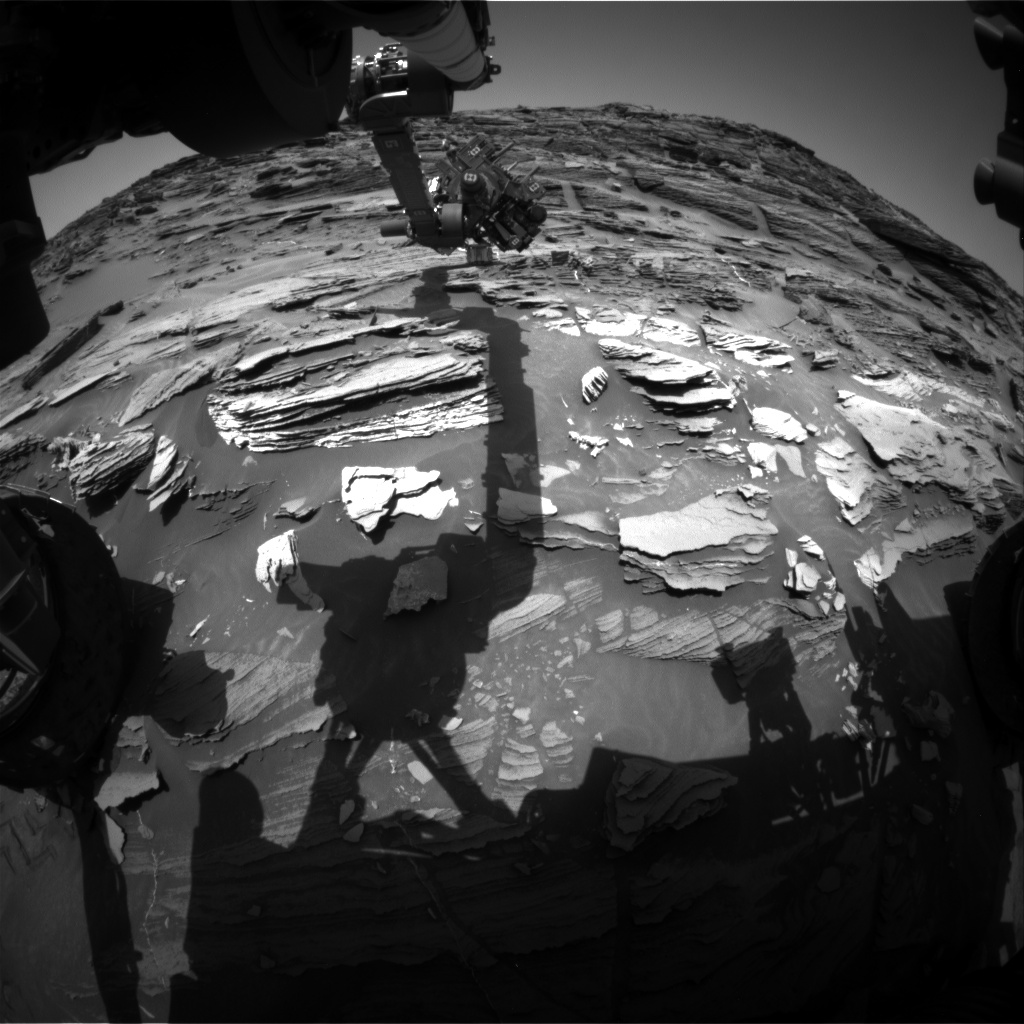
This image of Williams area was taken by Front Hazcam: Left B onboard NASA’s Mars rover Curiosity on September 2, 2015, Sol 1092.
Credit: NASA/JPL-Caltech
“Since ‘Ledger’ is a nice flat ledge,” Edgar notes, “it’s also a good target for the DRT [Dust Removal Tool], so we can brush away the dust to expose a fresh surface.”Mastcam was also to look at the Sun to measure the atmospheric opacity on Mars, Edgar adds.
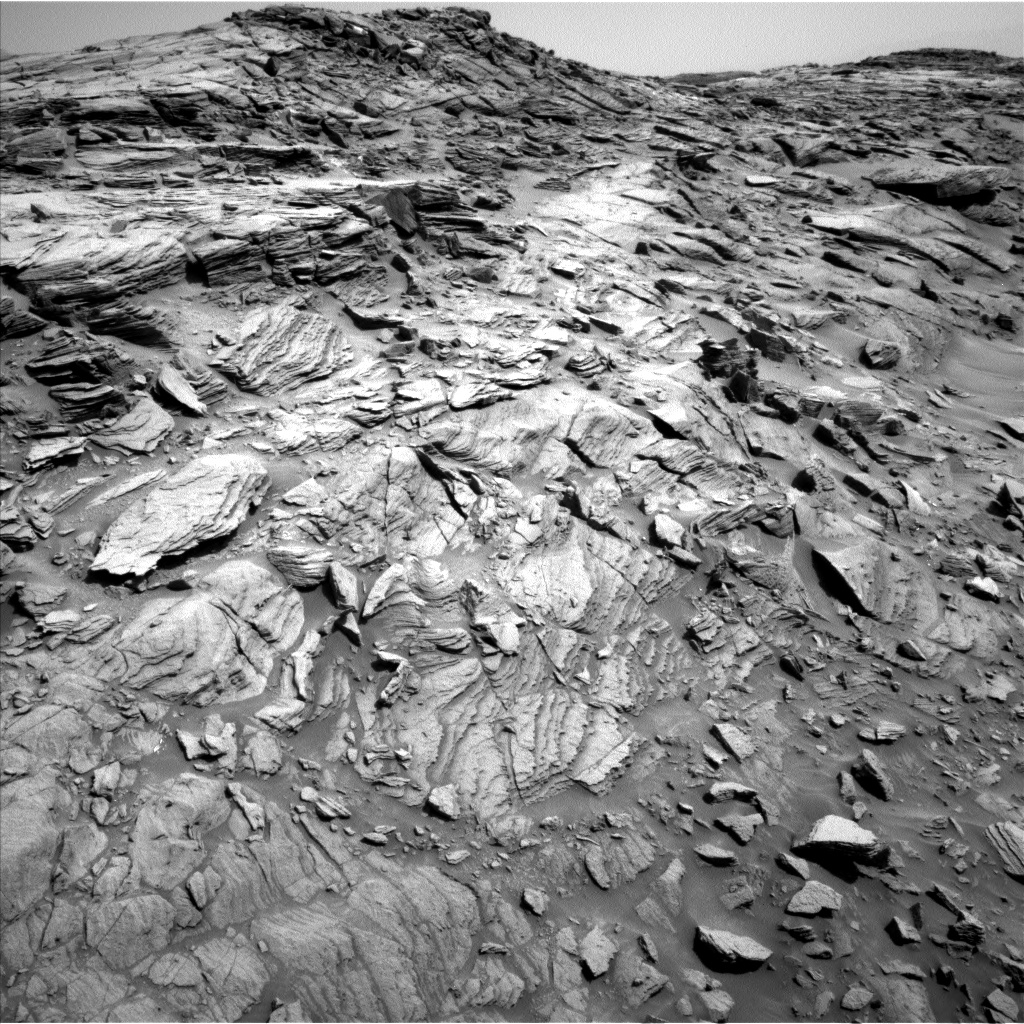
Curiosity’s Navcam: Left B on September 3, Sol 1093.
Credit: NASA/JPL-Caltech
“It’s exciting to be driving again, and I’m sure we’ll encounter some beautiful views as we continue to drive through this interesting terrain,” Edgar reports.
 Posted in

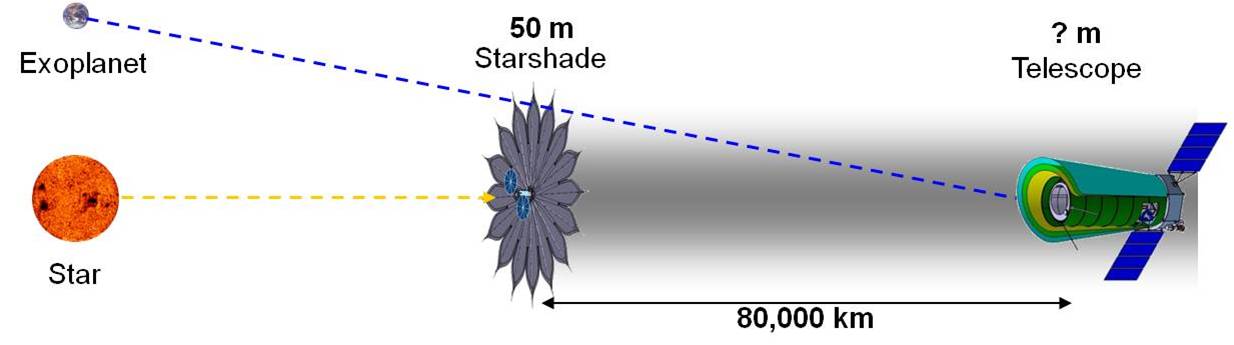
Credit: Northrop Grumman
Testing is on-going to develop an in-space starshade that can block the light from a primary star while allowing light from dimmer orbiting planets to be spotted by future space-based telescopes.
Along with desert tests here on Earth, the McMath-Pierce Solar Telescope at Kitt Peak National Observatory in Arizona has been used to model a starshade’s ability to eventually find and characterize rocky worlds, like Earth.
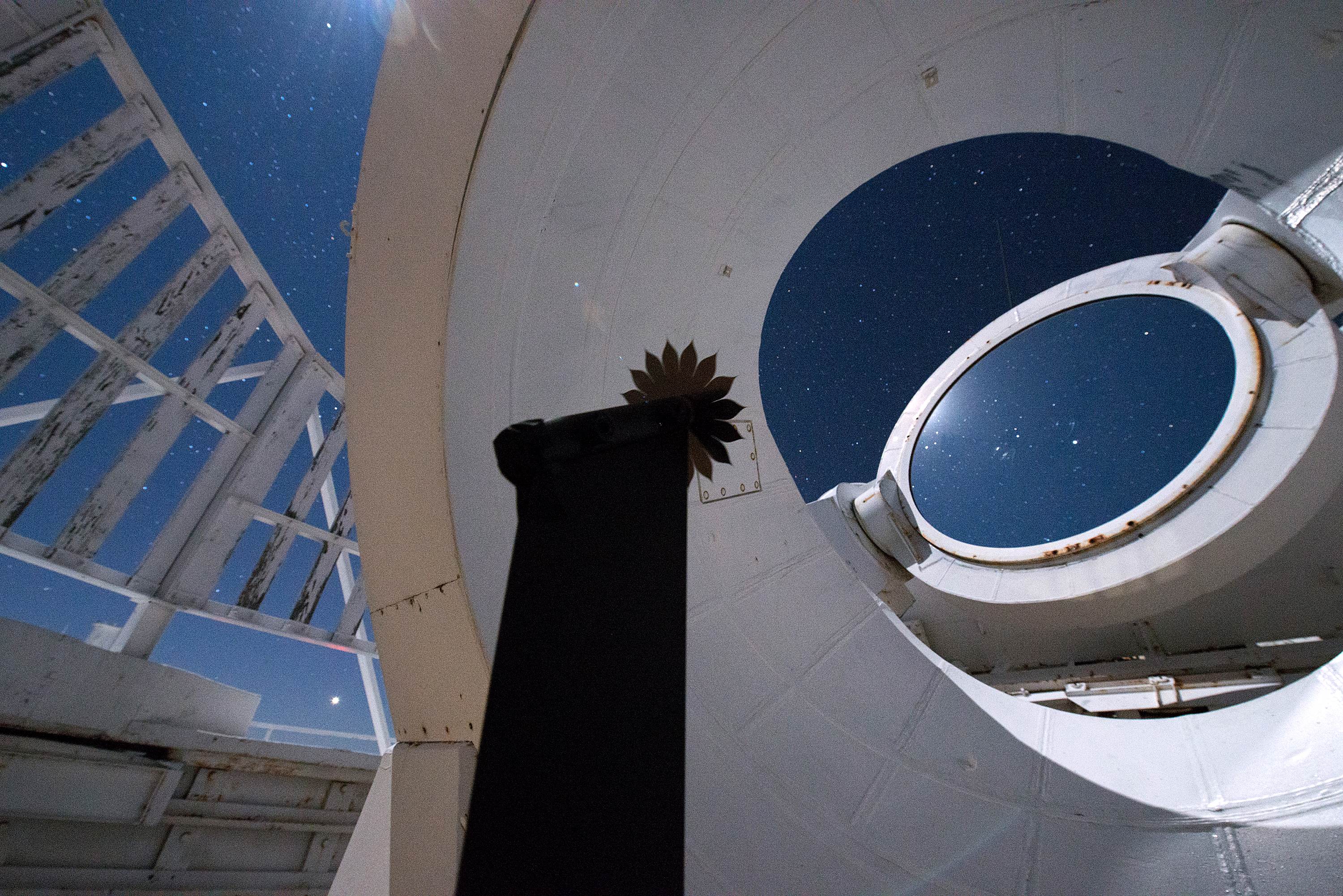
Technicians have made use of the McMath-Pierce Solar Telescope at Kitt Peak National Observatory in Arizona to assess and validate optical models of starshade designs.
Credit: Northrop Grumman/Robert Brown
A possible early use of a starshade may be tied to the Wide-Field Infrared Survey Telescope (WFIRST) – an orbiting telescope with a 2.4 meter primary mirror — the same size as the Hubble Space Telescope mirror – that was provided to NASA by the U.S. spy agency, the National Reconnaissance Office (NRO).
Check out my new Space.com story on this concept at:
How ‘Starshades’ Could Aid Search for Alien Life
http://www.space.com/30429-starshade-alien-life-search-wfirst-tech.html

